

If you’ve recently come across the term llekomiss run code, you’re probably wondering what it actually means and why people are searching for it online. The phrase has started appearing in programming discussions, troubleshooting forums, and coding-related searches, leaving many users confused about its purpose and functionality.
In simple terms, llekomiss run code is often associated with executing scripts, launching coded processes, or handling runtime operations in certain software environments. While the terminology may sound technical, understanding the basics is easier than most people think.
This guide breaks everything down in plain English. You’ll learn what it means, how it works, where it’s commonly used, possible errors, and practical ways to handle execution-related issues.
What Is Llekomiss Run Code?
The term generally refers to a process or command connected with code execution. In many cases, users encounter it while:
- Running software scripts
- Testing programming environments
- Executing backend processes
- Launching automation tools
- Debugging runtime behavior
Although the phrase itself is not widely standardized in mainstream programming documentation, it’s commonly linked with execution workflows or custom runtime operations.
For beginners, the easiest way to understand it is this:
It relates to making a piece of code actually perform an action.
That action could involve calculations, launching applications, processing data, or automating repetitive tasks.
How Code Execution Works
Before understanding advanced runtime behavior, it helps to know the basics of how code execution works in programming.
The Basic Process
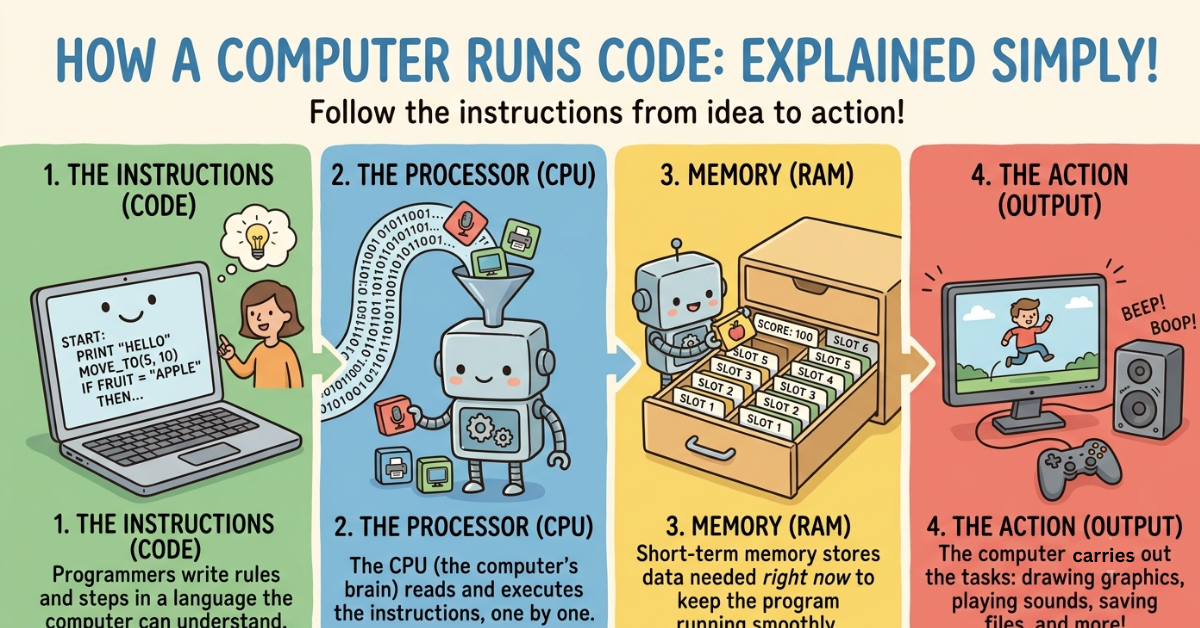
When developers write code, the instructions remain inactive until they are executed. The execution process usually follows these steps:
- Code is written in a programming language
- The system reads or compiles the instructions
- Runtime processes interpret the commands
- The program performs the requested action
- Output or results are generated
This workflow is essential in software development, automation systems, and application testing.
Why Runtime Systems Matter
A runtime environment acts like a bridge between raw code and actual execution. Without it, software instructions cannot properly function.
Common runtime tasks include:
- Memory management
- Error handling
- File processing
- Command execution
- Background operations
This is where many users associate runtime behavior with terms like llekomiss run code.
Common Uses of Llekomiss Run Code
Different users encounter this concept in different contexts. Here are the most common applications.
1. Software Development
Developers frequently run scripts while testing applications. Runtime commands help verify whether programs behave correctly before deployment.
Examples include:
- Launching Python scripts
- Running Java applications
- Executing automation tools
- Testing APIs
2. Automation Systems
Many businesses rely on automated scripts to reduce manual work.
Execution systems can handle:
- Scheduled tasks
- Data synchronization
- Backup operations
- Email automation
- Server monitoring
3. Debugging and Troubleshooting
Sometimes users encounter execution errors during runtime. These issues often appear when:
- Dependencies are missing
- Syntax errors exist
- Permissions are restricted
- Environment variables are incorrect
Understanding runtime behavior helps solve these problems faster.
Signs of Runtime Execution Problems
Execution-related issues can produce a variety of symptoms. Recognizing them early can save time.
Common Warning Signs
Watch for these indicators:
- Programs freezing unexpectedly
- Error messages during launch
- Failed script execution
- Slow performance
- Incomplete outputs
- Crashes after startup
These problems often point toward runtime configuration issues rather than hardware failure.
How to Troubleshoot Execution Errors
Troubleshooting becomes much easier when you follow a structured approach.
Check the Error Message
Most runtime systems generate detailed logs. Read the message carefully instead of ignoring it.
Important things to look for include:
- Missing files
- Invalid syntax
- Permission restrictions
- Unsupported versions
Verify Dependencies
Programs frequently rely on external libraries or frameworks.
Make sure:
- Required packages are installed
- Software versions are compatible
- Runtime environments are updated
Restart the Environment
Sometimes the simplest solution works best. Restarting the application, terminal, or operating system can clear temporary conflicts.
Test Small Code Segments
Instead of running an entire project, test smaller sections individually. This makes it easier to identify the exact source of the issue.
Best Practices for Running Code Safely
Executing code without caution can create security or stability risks. Following best practices helps avoid major problems.
Use Trusted Sources
Never execute unknown scripts from suspicious websites or unverified downloads.
Keep Software Updated
Modern runtime environments receive security patches regularly. Outdated versions can create vulnerabilities.
Back Up Important Data
Before testing new scripts or automation systems, create backups to avoid accidental data loss.
Use Sandboxed Environments
Many developers test scripts inside isolated environments to prevent damage to primary systems.
Popular options include:
- Virtual machines
- Containers
- Testing servers
- Development environments
Why Runtime Knowledge Matters Today
Modern technology depends heavily on automated execution systems. Whether you realize it or not, runtime operations power many digital tools you use daily.
Examples include:
- Mobile apps
- Web applications
- Cloud services
- AI systems
- Online payment platforms
- Smart devices
Understanding execution concepts gives users a stronger foundation in modern computing.
Common Misconceptions
There are several misunderstandings surrounding execution systems and runtime commands.
“Only Developers Need to Understand It”
Not true. Even basic users benefit from understanding how applications execute tasks.
“Execution Errors Mean the Device Is Broken”
Most runtime issues are software-related and can often be fixed without replacing hardware.
“All Runtime Systems Work the Same Way”
Different programming languages and platforms handle execution differently. What works in one environment may not work in another.
Future of Runtime and Execution Systems
Technology continues evolving rapidly, and execution environments are becoming smarter and more efficient.
Emerging trends include:
- AI-assisted debugging
- Cloud-native execution
- Faster virtual environments
- Improved automation tools
- Low-code development systems
As software complexity increases, runtime optimization will become even more important.
FAQs
What does llekomiss run code mean?
It generally refers to executing or launching coded instructions within a software or runtime environment.
Is it related to programming?
Yes. The term is commonly associated with script execution, software testing, and runtime operations.
Why do runtime errors happen?
Runtime errors usually occur because of syntax problems, missing dependencies, permission restrictions, or incompatible software versions.
Can beginners learn runtime concepts easily?
Absolutely. Basic execution concepts are easier to understand than many people expect, especially with practical examples.
Is running unknown code dangerous?
Yes. Executing untrusted scripts can expose systems to malware, security vulnerabilities, or data loss.
How can I avoid execution problems?
Use updated software, verify dependencies, test code carefully, and work in safe development environments whenever possible.
Conclusion
Understanding llekomiss run code becomes much simpler once you break down how runtime execution actually works. Whether you’re a beginner exploring software development or someone troubleshooting application errors, knowing the basics of code execution can save time and frustration.
Modern systems rely heavily on runtime processes, automation tools, and execution environments. Learning how these components interact gives you a stronger understanding of today’s digital technology landscape.
If you want to improve your technical knowledge further, continue exploring topics like debugging, scripting, runtime environments, and software automation. Small concepts often lead to much bigger skills over time.