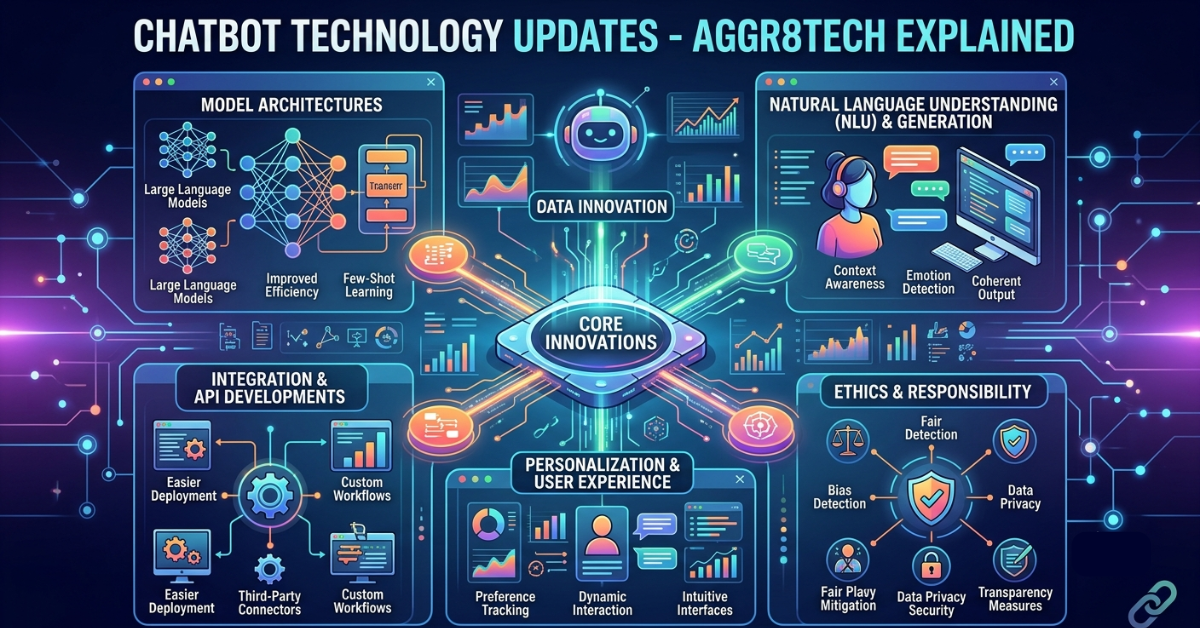

Artificial intelligence is changing faster than most businesses can keep up with, and chatbot technology is right at the center of that transformation. From smarter customer support to AI-driven conversations that feel almost human, the latest chatbot technology updates aggr8tech are becoming a major talking point in the tech world.
Businesses today want faster communication, lower support costs, and better customer experiences. Modern chatbots are helping companies achieve all three. But the newest developments go beyond simple automated replies. Today’s systems can understand context, learn from conversations, and even predict user behavior.
In this article, we’ll explore how chatbot platforms are evolving, what innovations are shaping the industry, and why these updates matter for businesses and everyday users alike.
The Growing Importance of AI Chatbots
Chatbots are no longer limited to answering basic questions. They have evolved into intelligent digital assistants capable of handling sales, customer service, scheduling, and even technical troubleshooting.
Several factors are driving this rapid growth:
- Increased demand for 24/7 customer support
- Advances in machine learning and natural language processing
- Rising expectations for instant responses
- Cost-saving opportunities for businesses
As AI tools become more sophisticated, companies are investing heavily in conversational technology to stay competitive.
What Makes Modern Chatbot Systems Smarter?
One of the biggest shifts in recent years is the move from rule-based bots to AI-powered conversational systems.
Traditional chatbots followed scripted responses. Modern AI chatbots can:
- Understand user intent
- Analyze conversation history
- Deliver personalized responses
- Learn from previous interactions
- Handle multiple languages
These capabilities improve user experience significantly and reduce frustration caused by robotic or repetitive answers.
The latest chatbot technology updates aggr8tech highlight how businesses are focusing on creating more natural conversations instead of rigid automated workflows.
Key Innovations Shaping Chatbot Technology
Natural Language Processing Improvements
Natural language processing (NLP) allows chatbots to understand human language more accurately. Recent improvements mean bots can now interpret slang, typos, and conversational context much better than before.
This creates smoother interactions that feel more human and less mechanical.
AI Personalization Features
Modern chatbot systems can remember preferences and past interactions. For example, e-commerce chatbots can recommend products based on browsing history or previous purchases.
This level of personalization increases customer engagement and boosts conversion rates.
Voice-Enabled Chatbots
Voice technology is becoming increasingly important. Many companies are integrating voice assistants into their chatbot ecosystems to support hands-free communication.
Voice AI is especially useful in:
- Smart home devices
- Automotive systems
- Healthcare support
- Customer service hotlines
Integration With Business Tools
One major development involves chatbot integration with CRM platforms, analytics tools, and productivity software.
This allows businesses to automate tasks such as:
- Appointment booking
- Lead qualification
- Order tracking
- Internal team support
Automation reduces workload while improving efficiency.
How Businesses Benefit From Advanced Chatbots
Companies across multiple industries are adopting AI-driven communication systems because of the measurable benefits they provide.
Faster Customer Support
Customers no longer want to wait hours for replies. Intelligent chatbots provide instant answers around the clock.
This improves satisfaction and reduces support ticket volumes.
Lower Operational Costs
Hiring large support teams can be expensive. AI-powered systems help businesses reduce repetitive workloads while allowing human agents to focus on complex issues.
Better User Engagement
Interactive chatbot experiences keep users engaged longer. Personalized recommendations and quick responses encourage customers to continue interacting with a brand.
Improved Data Collection
Chatbots gather valuable customer insights during conversations. Businesses can use this data to improve products, services, and marketing strategies.
Industries Leading the Chatbot Revolution
E-Commerce
Online retailers use chatbots for:
- Product recommendations
- Order updates
- Customer inquiries
- Personalized shopping experiences
Healthcare
Healthcare providers are implementing AI assistants for appointment scheduling, symptom checking, and patient communication.
Banking and Finance
Financial institutions use conversational AI to handle balance inquiries, fraud alerts, and transaction support.
Education
Educational platforms now use AI chat systems for tutoring, student support, and course guidance.
The latest chatbot technology updates aggr8tech show that adoption is spreading rapidly across nearly every major industry.
Challenges Facing Chatbot Technology
Despite impressive progress, chatbot systems still face several challenges.
Maintaining Human-Like Conversations
Even advanced AI can occasionally misunderstand complex questions or emotional context.
Privacy and Security Concerns
Since chatbots handle sensitive information, businesses must prioritize data protection and cybersecurity.
Balancing Automation With Human Support
Customers still value human interaction for complicated or emotional situations. Companies must find the right balance between automation and live assistance.
Future Trends in Conversational AI
The future of chatbot technology looks incredibly promising. Several emerging trends are expected to shape the next generation of AI assistants.
Emotion Recognition
Future systems may detect emotional tone and adjust responses accordingly.
Hyper-Personalized Experiences
AI will continue improving its ability to deliver tailored recommendations and conversations.
Multimodal Communication
Chatbots may combine text, voice, video, and visual recognition into one seamless experience.
Smarter Predictive Assistance
Instead of waiting for users to ask questions, AI systems may proactively offer solutions before problems arise.
These innovations could transform customer interactions even further over the coming years.
Why Chatbot Innovation Matters More Than Ever
Businesses today compete heavily on customer experience. Fast responses, personalized communication, and convenience have become essential expectations.
Companies that embrace advanced conversational AI are better positioned to:
- Improve customer satisfaction
- Increase operational efficiency
- Reduce costs
- Strengthen brand loyalty
The ongoing chatbot technology updates aggr8tech demonstrate how quickly the AI communication landscape is evolving.
Organizations that adapt early are likely to gain a significant competitive advantage.
FAQs
What are chatbot technology updates aggr8tech?
These updates refer to the latest developments in AI chatbot systems, including smarter automation, natural language understanding, personalization, and business integrations.
How do AI chatbots improve customer service?
AI chatbots provide instant responses, operate 24/7, reduce waiting times, and handle repetitive customer inquiries efficiently.
Are modern chatbots better than traditional bots?
Yes. Modern AI-powered chatbots can understand context, learn from interactions, and deliver more natural conversations compared to older rule-based systems.
Which industries benefit most from chatbots?
Industries such as e-commerce, healthcare, finance, education, and customer support benefit significantly from conversational AI technology.
What is the future of chatbot technology?
The future includes emotion-aware AI, voice-enabled systems, predictive assistance, and highly personalized user experiences.
Conclusion
Chatbot technology continues to evolve at an incredible pace, reshaping how businesses communicate with customers and manage daily operations. The newest chatbot technology updates aggr8tech highlight major advancements in AI personalization, automation, voice interaction, and conversational intelligence.
As customer expectations grow, companies that invest in smarter AI communication tools will likely stay ahead of the competition. Whether it’s improving support, boosting engagement, or streamlining workflows, advanced chatbot systems are becoming an essential part of modern business strategy.
For anyone interested in the future of artificial intelligence, conversational AI remains one of the most exciting areas to watch.