
Overview & Quick Reference
| Feature / Aspect | Details & Specifications |
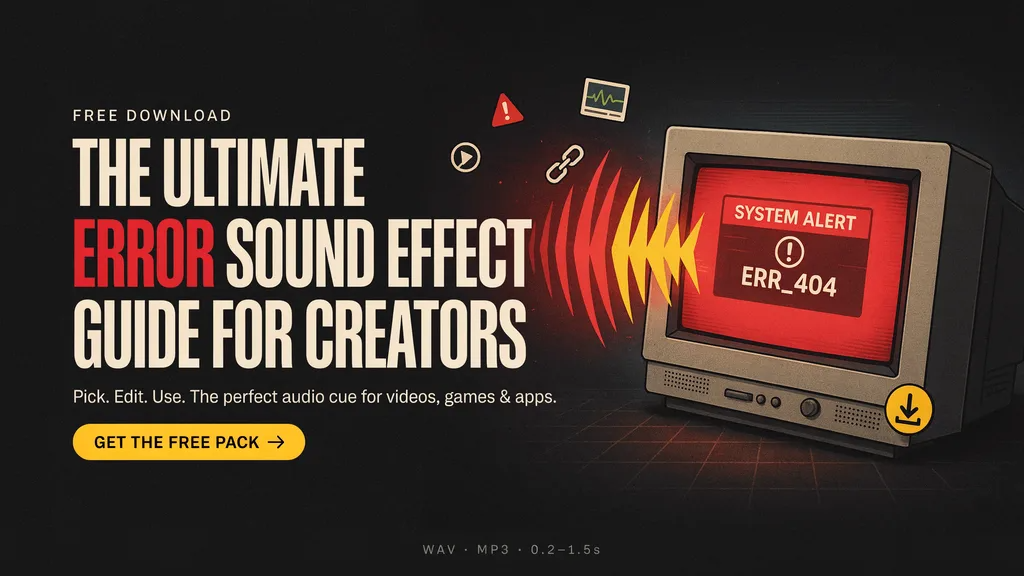
| Primary Purpose | Instant audio feedback for user mistakes, system glitches, or video humor |
| Common Formats | WAV (Uncompressed for editing), MP3 (Lightweight for web/apps) |
| Typical Duration | 0.2 to 1.5 seconds |
| Best Frequency Range | 1 kHz – 3 kHz (Easily caught by human ears) |
| Top Download Sources | Freesound, Pixabay Audio, Epidemic Sound, Envato Elements |
| Key Use Cases | YouTube comedy bloopers, mobile app UI alerts, retro video game mechanics |
Have you ever clicked a broken link and heard a sudden loud buzz? That sharp noise is known as an Error Sound Effect. Short audio cues tell us immediately when something goes wrong on a screen. Content creators use these quick audio clips to grab viewer attention. You can find them in video games, mobile apps, and online videos. A simple audio tone helps users fix mistakes without reading long text pop-ups.
Sound plays a massive role in how we interact with technology every day. When you hear a sharp beep, your brain gets a fast signal to stop and look. This makes an error sound effect a vital tool for video editors and app designers. Clear audio cues keep people focused and guide them through digital spaces. In this guide, we will explore how to pick, edit, and use these audio clips to level up your projects.
What Is an Error Sound Effect and Why Does It Matter?
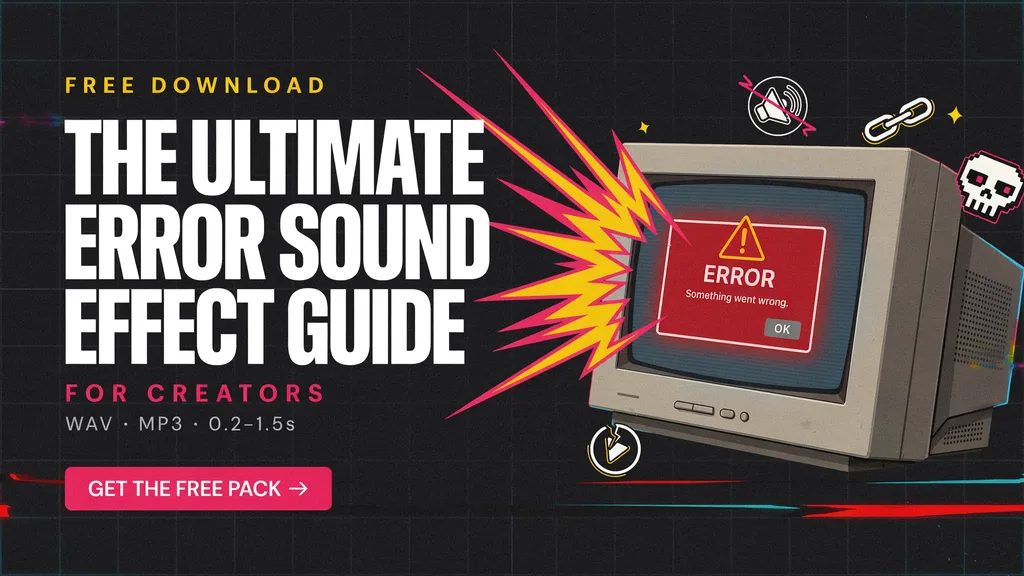
An error sound effect is a brief audio clip that signals a mistake or system failure. It provides immediate feedback whenever an action fails on a phone, computer, or console. Without these short audio cues, users might feel confused when a button does not work. A well-placed chime or buzz instantly tells the user that something needs fixing. This helps people adjust their actions without feeling lost or annoyed.
For video creators, these audio elements add humor and structure to edits. A sharp buzzer can highlight a funny fail or a silly mistake during a scene. It helps viewers notice funny moments right away. Using the right error sound effect builds a clear channel of communication. It keeps your audience engaged while making your digital content much easier to follow.
The Science of Sound: How Error Audio Triggers Attention
Human brains react very fast to sudden acoustic changes in their surroundings. A sharp pitch or harsh chord instantly triggers a natural instinct to pay close attention. That is why an error sound effect usually features a loud buzz or a sudden drop in pitch. Designers deliberately use distinct frequencies so the noise stands out against background music. Your ears catch the sudden shift before your eyes even process the screen text.
This psychological trigger makes audio feedback far more effective than visual alerts alone. A simple pop-up window can easily be missed on a busy monitor screen. However, a distinct error sound effect demands immediate focus from the listener. It creates an instant connection between human perception and digital feedback. Understanding this science helps you choose audio clips that grab attention without frustrating your audience.
Classic Examples of the Error Sound Effect in Popular Media
We hear distinct alert sounds every day in retro games, movies, and operating systems. Famous computer software created iconic chimes that are known all across the world. Game shows often use a loud, sad trombone or a heavy buzz when contestants guess wrong. These audio clips became part of pop culture because millions of people recognize them instantly. They trigger shared memories of digital mistakes or funny television moments.
Modern video creators often borrow these vintage audio clips for comic timing. Adding a classic retro error sound effect to a vlog creates instant humor for viewers. People understand the visual joke right away because the sound carries decades of shared meaning. Recognizing these classic audio tropes allows you to use familiar cues in your own creative projects effectively.
How to Choose the Right Error Sound Effect for Your Project
Choosing the best audio clip depends heavily on your specific audience and media format. A professional mobile app needs a subtle, gentle chime that does not startle users. On the other hand, a comedic YouTube video might need a loud, dramatic buzzer. Matching the acoustic tone to your content style is key for a great user experience. A harsh noise in a calm app will only frustrate your loyal users.
Always test your chosen error sound effect alongside your primary audio track and visual elements. Make sure the volume level matches the rest of your project smoothly. It should sound noticeable without overpowering other important background sounds or voiceovers. Taking time to select the right clip ensures your final product feels polished, balanced, and high quality.
Top Free and Paid Sources to Download an Error Sound Effect
Finding high-quality audio files for your projects is easier today than ever before. Many online stock libraries offer free downloads of various sound clips for creators. Websites like Freesound provide thousands of community-uploaded clips under open licenses. If you need royalty-free commercial tracks, platforms like Epidemic Sound or Envato offer vast audio catalogs. You can easily find a unique error sound effect tailored to your creative vision.
When downloading audio files, always inspect the file format and audio quality ratings closely. High-resolution WAV files provide much cleaner sound than heavily compressed MP3 files. Free libraries are great for personal projects, but paid platforms offer stronger legal safety. Choose a reliable platform that fits your budget and meets your project licensing requirements.
Using an Error Sound Effect in Video Editing and YouTube
Video editors frequently use short audio cues to enhance comedic timing and keep viewers watching. Dropping a quick error sound effect over a blooper or funny mistake makes the clip far more entertaining. It creates a clear visual and acoustic punchline that modern online audiences love. Many popular creators even use signature alert sounds to brand their unique video editing style.
To get the best result, align the audio peak precisely with the exact frame of the mistake. Lower your background music slightly during the alert so the clip remains crisp and clear. Using a dramatic error sound effect sparingly prevents your video from feeling messy or overwhelming. Strategic placement creates a fun rhythm that holds viewer attention from start to finish.
Best Practices for UI Design and Software Error Sounds
User interface designers must handle warning sounds with great care and attention to detail. Software alerts should guide users gently rather than punish them for small mistakes. A harsh error sound effect played repeatedly can cause severe user fatigue and annoyance. Modern software design favors soft multi-tone chimes or subtle wooden clicks over loud electric buzzes.
It is also vital to give users complete control over their system audio settings. Always include an easy option to mute or lower notification volumes in your app menu. Additionally, combine your error sound effect with clear visual text for accessible design. This ensures that hearing-impaired users can still navigate your software without missing important system messages.
Common Mistakes When Adding an Error Sound Effect to Videos
One major mistake new editors make is setting alert audio levels far too high. A sudden, loud error sound effect can startle viewers and force them to click away. Always normalize your audio levels so alert clips match your main voiceover track smoothly. Another frequent mistake is using overused, generic sounds that make your content feel cheap and unoriginal.
Additionally, avoid piling too many sound effects together in a very short time frame. When every single movement has a loud noise attached, the impact is completely lost. Use an error sound effect only when it adds genuine value or comedic timing to the scene. Keeping your sound mix clean and intentional ensures a professional end result every time.
Editing and Customizing Your Error Sound Effect in DAWs
You do not have to settle for basic stock audio files right out of the box. Digital Audio Workstations allow you to edit and customize any clip to fit your needs. You can trim long tails, adjust pitch, or add subtle reverb to create a fresh tone. Modifying a stock error sound effect helps your project sound unique and original to listeners.
Basic equalization techniques can also polish your sound effects for a balanced mix. Rolling off harsh high frequencies prevents the audio from hurting sensitive ears at high volume. Adding a slight delay or pitch shift can transform a simple beep into a futuristic sci-fi alert. Tailoring your audio tracks elevates your production value significantly.
Legal and Royalty-Free Guidelines for Sound Effects
Using audio clips without proper licensing can lead to copyright strikes or muted video tracks. Even a short error sound effect can be protected under strict intellectual property laws. Before adding any sound file to a commercial video, read the license agreement thoroughly. Creative Commons licenses often require author credit, while royalty-free licenses allow commercial usage after a single purchase.
Never rip audio directly from popular video games or movies for commercial projects. Copyright owners actively monitor online platforms using automated content detection tools. Sourcing your error sound effect from legitimate royalty-free sites protects your channel and business from legal trouble. Staying legally compliant gives you complete peace of mind as your audience grows.
The Future of Audio Feedback in Modern Technology
Audio design continues to evolve alongside new technology like artificial intelligence and spatial audio systems. Future devices will likely generate dynamic sound cues that adapt to user preferences in real time. Instead of a fixed audio file, an adaptive error sound effect could adjust its volume and pitch based on ambient room noise. This ensures alerts remain clear without ever feeling disruptive.
Virtual reality and augmented reality also demand three-dimensional audio feedback to keep environments realistic. Users will hear spatial cues that point directly toward the location of an onscreen error. As technology advances, the humble error sound effect will remain an essential bridge between humans and digital machines. Smart audio design will continue making our daily tech interactions smoother and more pleasant.
Frequently Asked Questions
1. What is a standard error sound effect?
A standard error sound effect is a short audio clip designed to alert users about a mistake or software glitch. It provides instant audio feedback across computers, mobile apps, and video games.
2. Where can I download a royalty-free error sound effect?
You can find royalty-free audio clips on trusted sites like Freesound, Pixabay, Epidemic Sound, and Envato Elements. Always check the licensing terms before using files in commercial projects.
3. How do I prevent my error sound effect from sounding too loud?
Use audio editing software to normalize your sound levels before exporting your project. Match the peak volume of your audio effect to your main voice track so it does not startle listeners.
4. Can I use classic game error sounds in my YouTube videos?
Using copyrighted sound effects from video games can trigger copyright claims on YouTube. It is much safer to use royalty-free alternatives that mimic retro styles legally.
5. Why is audio feedback important in user interface design?
Audio feedback alerts users instantly without requiring them to read pop-up text messages. Combining a visual alert with a gentle error sound effect improves accessibility and overall usability.
6. What audio format is best for sound effects?
Uncompressed WAV files offer the best audio clarity and editing flexibility for video production. Compressed MP3 files are smaller and work well for lightweight mobile app development.
Conclusion
Sound design plays a crucial role in creating engaging videos, smooth software, and fun digital experiences. Adding a well-chosen error sound effect gives your audience instant feedback and enhances your story. Whether you are editing a funny vlog or designing an app, quality audio details make a massive difference. By following the tips in this guide, you can select, clean, and integrate sound cues like a pro.
Take time to experiment with different audio styles, volume levels, and editing techniques today. Explore royalty-free audio libraries to build your own personal sound library for future projects. How do you plan to use audio feedback in your next creative build? Share your thoughts and favorite editing tricks with your fellow creators!